
Fuel additives are not routine maintenance items. The latest GM guidelines recommend using approved products only to address a verified vehicle condition or fuel-quality concern on GM passenger cars and light-duty and medium-duty trucks using gasoline or diesel fuel.
Fuel additives should be used only under documented conditions and when outlined in specific service procedures. Fuel additives are not required to maintain warranty coverage and any unverified performance improvements, generic “cleaning packages,” or fuel-economy benefits should not be promoted.
It Starts with Fuel Quality
The first step to address fuel-related engine performance conditions is to use quality fuel, especially to help prevent deposit-related concerns. (Fig. 23) In gasoline applications, TOP TIER Detergent Gasoline at the recommended octane level helps maintain injector cleanliness and reduce intake valve deposits. In diesel applications, TOP TIER Approved Diesel Fuel meeting ULSD requirements provides the preferred baseline. If quality fuel is used consistently and the vehicle does not have any drivability issues, an additive typically is not necessary.
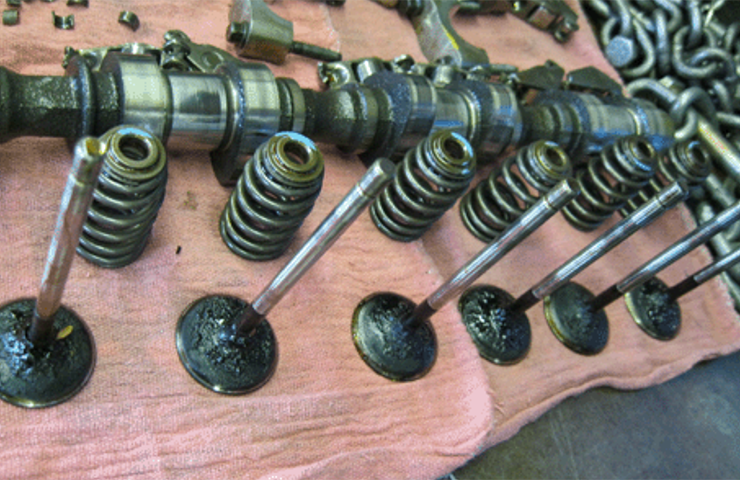
Fig. 23
Gasoline Applications
For gasoline vehicles, ACDelco Fuel System Cleaner 44K provides detergent deposit control for intake valves, fuel injectors and combustion chambers. (Fig. 24) It may be used as a tank additive when drivability concerns point to deposit-related issues or when preventive maintenance is needed because TOP TIER gasoline is not consistently available. Symptoms such as loss of power, stalling, hard starting, or reduced fuel economy still require normal diagnosis first. Additives should support the repair process, not replace it. When carbon buildup is confirmed, upper-engine cleaning procedures also may be required, but only as directed in the appropriate Service Information. Refer to Bulletin #16-NA-383 for more information.
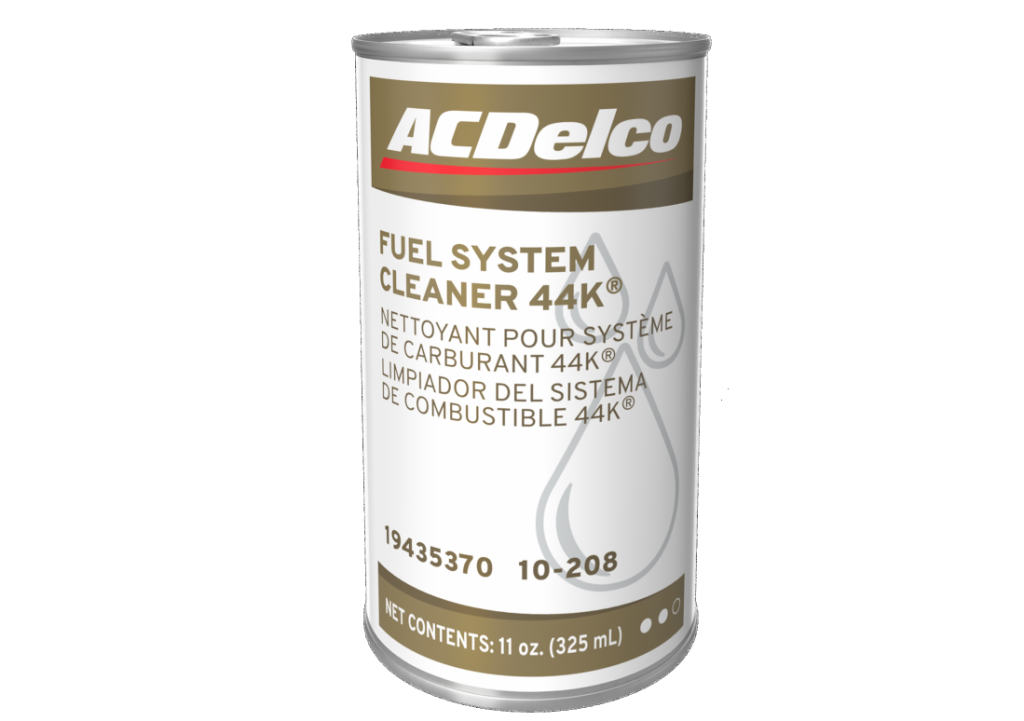
Fig. 24
Diesel Applications
There are several recommendations for diesel applications, based on specific conditions. Fuel System Treatment Plus – Diesel is a concentrated detergent for deposit removal in injectors and combustion chambers. (Fig. 25) It’s intended for drivability concerns such as poor performance, black smoke, no-start conditions, or reduced fuel economy when fuel quality is poor. It is not for continual every-tank use.
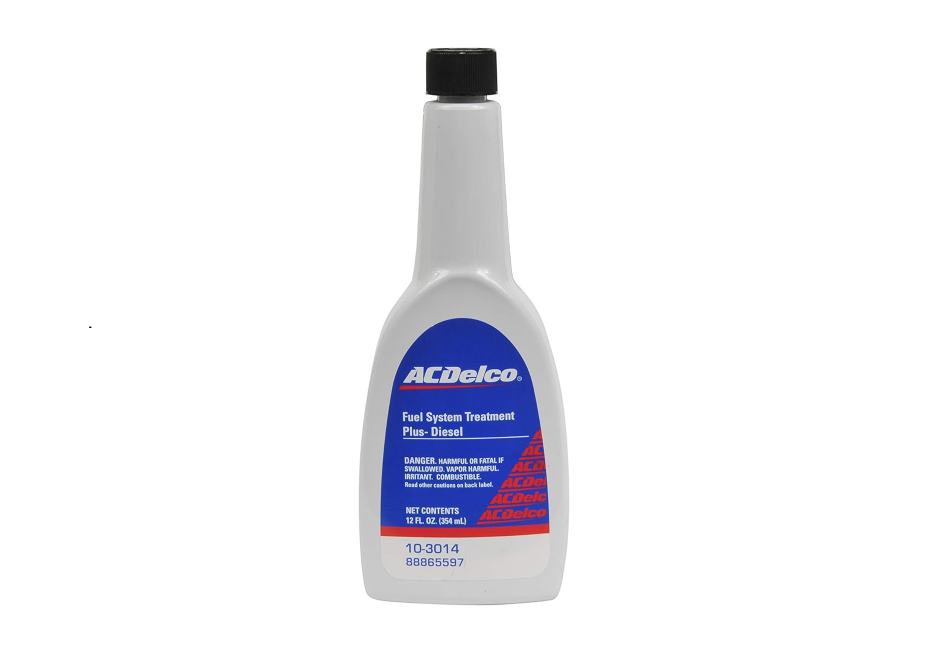
Fig. 25
Other approved diesel additives address specific needs. Diesel Basic Maintenance Additive supports lubricity, corrosion protection, and injector cleanliness when fuel quality is marginal. Diesel Fuel Conditioner adds detergency, lubricity, corrosion protection, and fuel stability, which can help in situations involving biodiesel blends or aged fuel. In cold-weather operation, Diesel Cold Flow Additive offers enhanced performance, although its effectiveness may be limited in higher biodiesel blends.
What to Avoid
Knowing what not to use is just as important as using the proper additives. GM does not support routine engine or fuel-system additives outside of the approved products. Aftermarket products that use solvent-based additives or unapproved organometallic compounds and water emulsifiers may contribute to corrosion, seal damage and deposit formation.
When additives are recommended for specific conditions, always follow the product label directions and Service Information or Bulletin instructions for dose per tank and vehicle eligibility. Always document additive use on the repair order as well. Be sure to avoid overdosing or combining multiple additives in the same tank, since exceeding the recommended treat rate can create new issues instead of correcting the original concern.
Refer to Bulletin #05-00-89-072 for more details about fuel additives.
– Thanks to Bryan Salisbury and Shailesh Lopes
















WISH THEY WOULD BRING BACK THE GM FUEL SYSTEM CLEANER
THE CHEVRON TECHRON BRAND