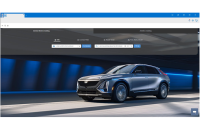
The return of the Chevrolet Bolt brings faster charging capability, longer range, a redesigned interior, enhanced technology, including Super Cruise, and a sporty RS trim along with the standard LT trim. (Fig. 1) It’s all packaged in a new, yet familiar crossover body style that offers space for five along with compact maneuverability.
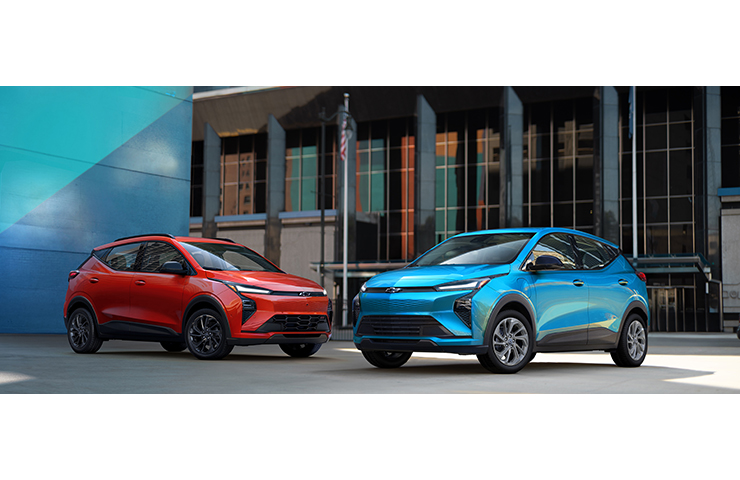
Fig. 1
Charging Ahead
The 2027 Bolt offers up to an EPA-estimated 262 miles of electric range on a full charge. And when it’s time to charge up, the Bolt is Chevrolet’s first vehicle with a native NACS charging port (Fig. 2), increasing access to the ever-expanding public charging network, including Tesla Superchargers. The Bolt can take advantage of DC public fast charging up to 150 kW, charging more than 2.5x faster than the previous Bolt. With DC public fast charging, the Bolt can be charged from 10% to 80% in 25 minutes.
Note: Actual charge times will vary based on battery starting state of charge, battery condition, output of charger, vehicle settings and battery temperature.
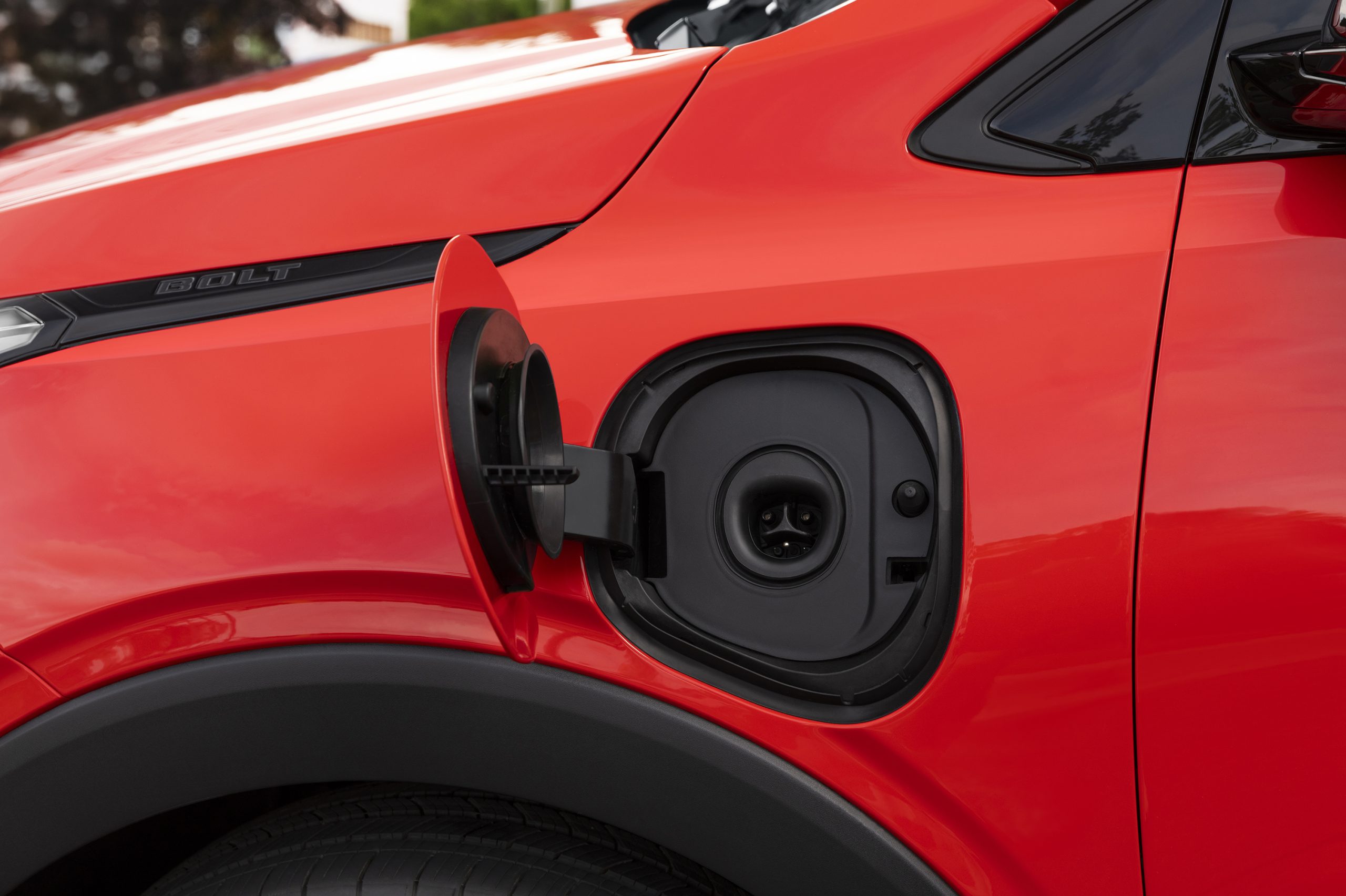
Fig. 2
The NACS charge port has a charge door with a small oval-shaped protrusion that indicates where to press to open or close the door. (Fig. 3) Some force may be required to ensure the charge door plunger and latch are fully engaging to open or close the door.
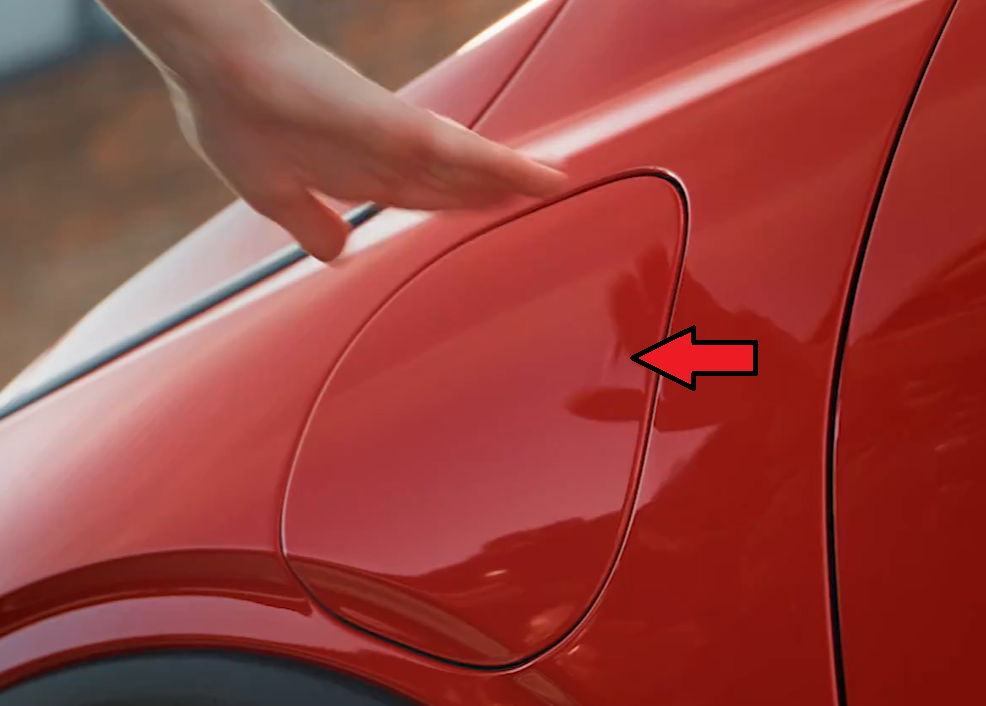
Fig. 3
The standard dual-level charge cord set is similar to the previous Ultium Level 2 cord set used with other GM EVs except for the NACS charge coupler instead of the CCS coupler. To disconnect the dual-level charge cord from the charging receptacle, press the small circle (Fig. 4, as shown below) on the NACS coupler. When pressed, a faint mechanical sound will be heard, which indicates that the inner charge lock pin has been removed and the charge cord is now free to be removed from the receptacle.
TIP: The vehicle must be unlocked and/or a key fob present in order for the charge cord to be released from the charging receptacle.
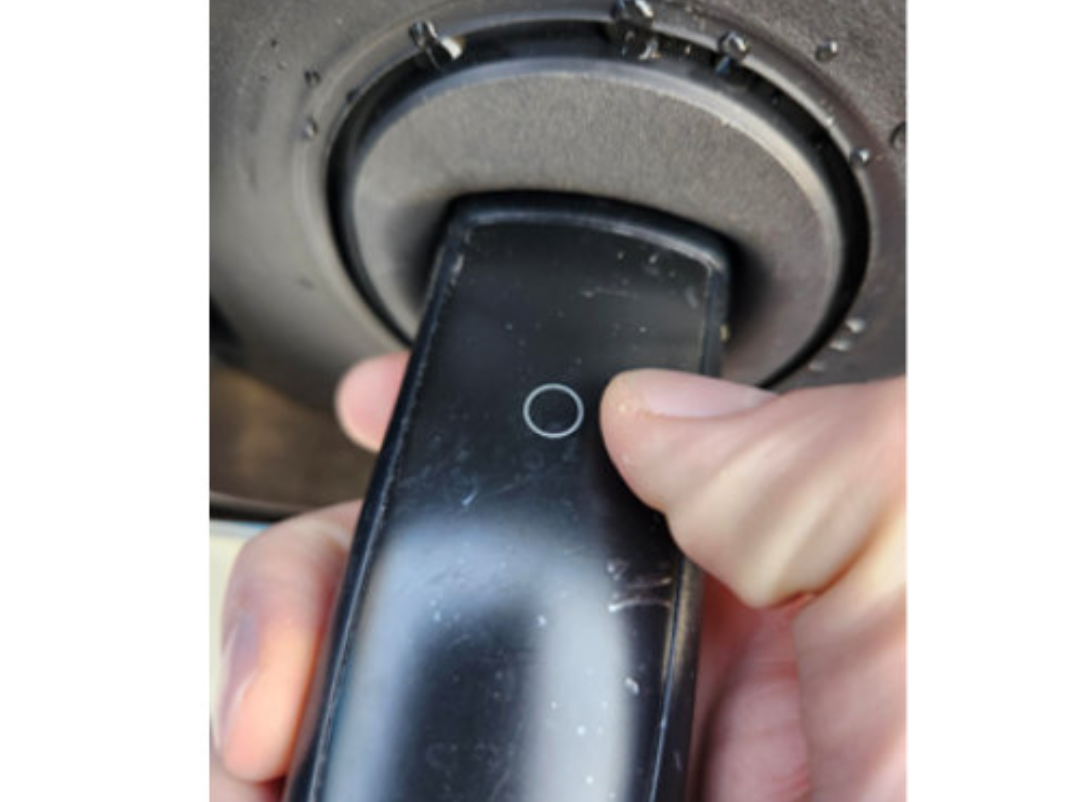
Fig. 4
CCS to NACS charging adapters are available for both Level 2 and DC fast charging to enable charging at a variety of charging stations.
Battery Pack
The Lithium Iron Phosphate high-voltage hybrid/EV battery is installed from beneath the vehicle. The high voltage A4 Hybrid/EV Battery Pack contains 8 Cell Module Assemblies. (Fig. 5)
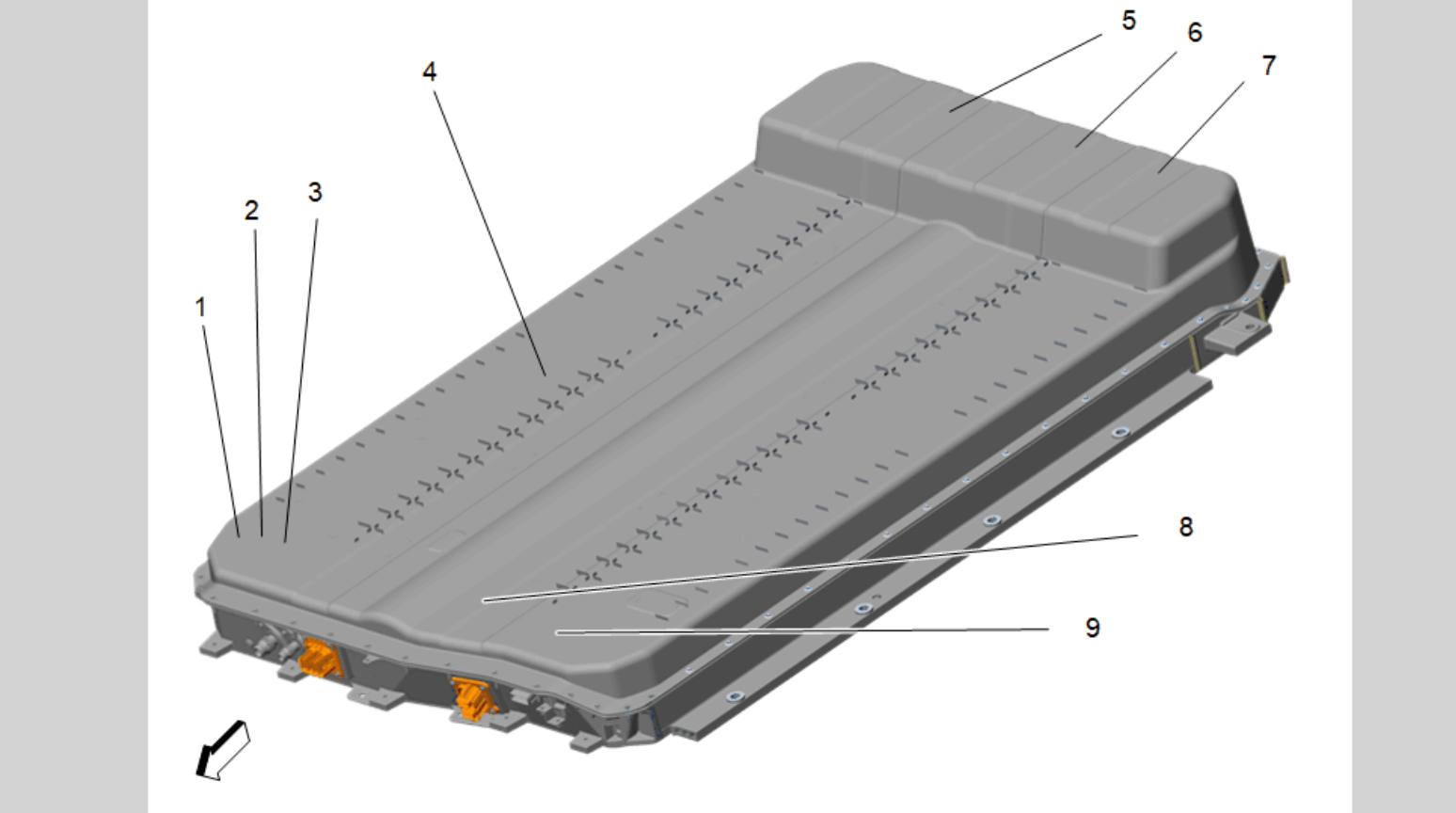
Fig. 5
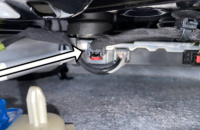
The K16 Battery Energy Control Module (BECM), which controls and monitors battery pack operation, is located outside of the A4 Hybrid/Electric Vehicle Battery Pack assembly, within the passenger compartment right-side floor board beneath the carpet.
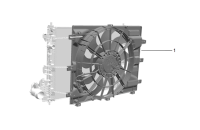
Underneath the Bolt’s familiar shape is the latest GM EV technology. (Fig. 6) The X76 drive unit was designed from the ground up to maximize driving range and deliver improved efficiency. The permanent-magnet motor uses minimal rare-earth materials for improved costs. Segmented magnets reduce heat build-up and energy loss, and silicon carbide inverter materials minimize energy loss between the battery and drive unit.
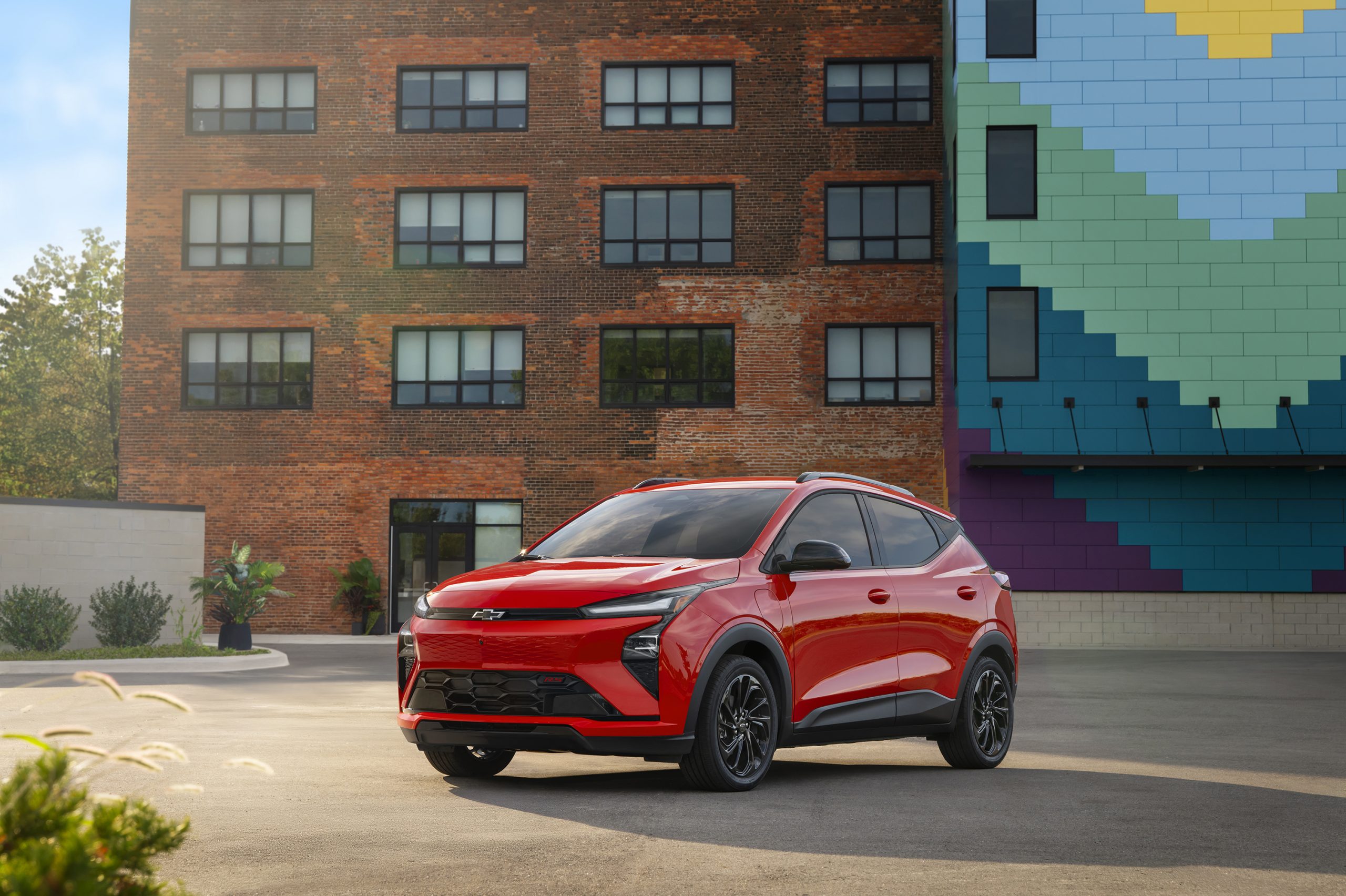
Fig. 6
Regenerative Braking
The Bolt uses a blended regenerative braking system for enhanced efficiency. With or without One-Pedal Driving mode engaged, software in the Bolt prioritizes technology that returns braking energy back to the battery for improved range. The braking system has been optimized for consistent pedal feel during both regenerative and friction braking, a key improvement over the previous Bolt.
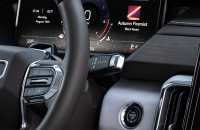
Compared to the previous model, the Regen on Demand paddle has been removed from the steering wheel on the new Bolt. (Fig. 7)
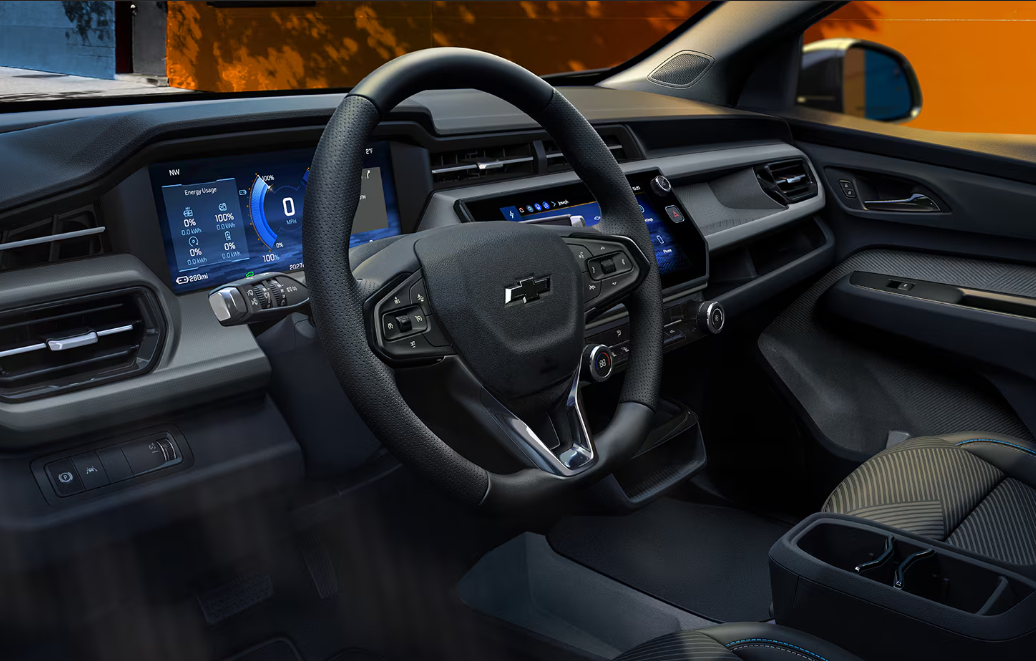
Fig. 7
Integrated Technology
The Bolt’s integrated infotainment system (RPO IVE) features Google built-in and the latest suite of entertainment apps, powered by OnStar Connectivity (visit onstar.com for details). (Fig. 8) Apple CarPlay and Android Auto are not available.
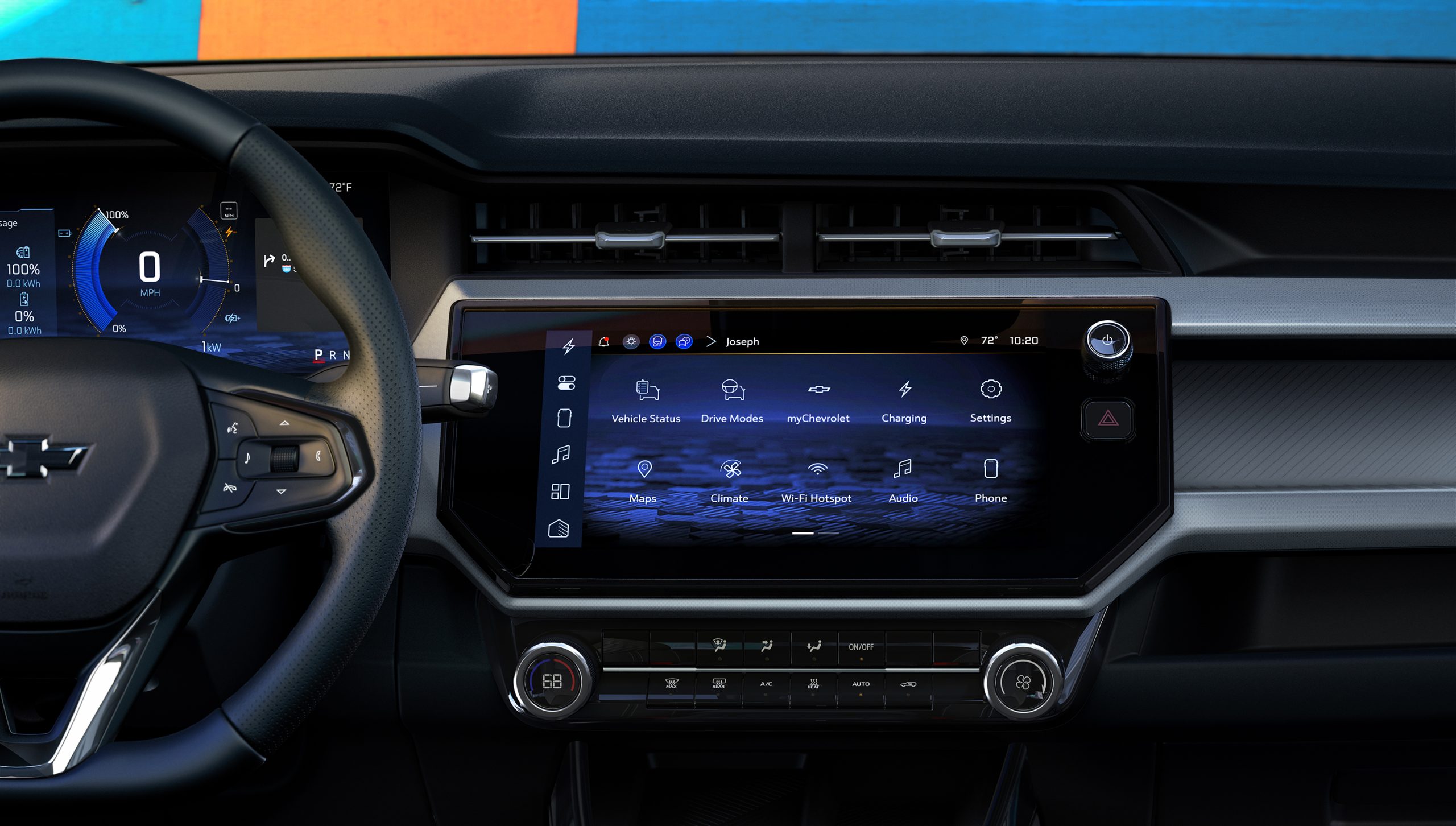
Fig. 8
With Google Maps embedded with vehicle systems, a drive route can be set up to automatically include information on battery range. On longer drives, Google Maps will provide smarter routes and charging recommendations, factoring in real-time charging station status and range estimates based on driving style. If DC fast charging is available along the route, automatic battery preconditioning takes place to give the high-voltage battery a warm-up for optimal charging performance.
Google Maps also syncs with Super Cruise driver assistance technology to show Super Cruise-capable routes and indicate how many minutes of the trip can be driven hands-free. Super Cruise is expected to be available in late 2026.
Note: Always pay attention while driving and when using Super Cruise. Do not use a hand-held device. Requires active Super Cruise plan or trial.
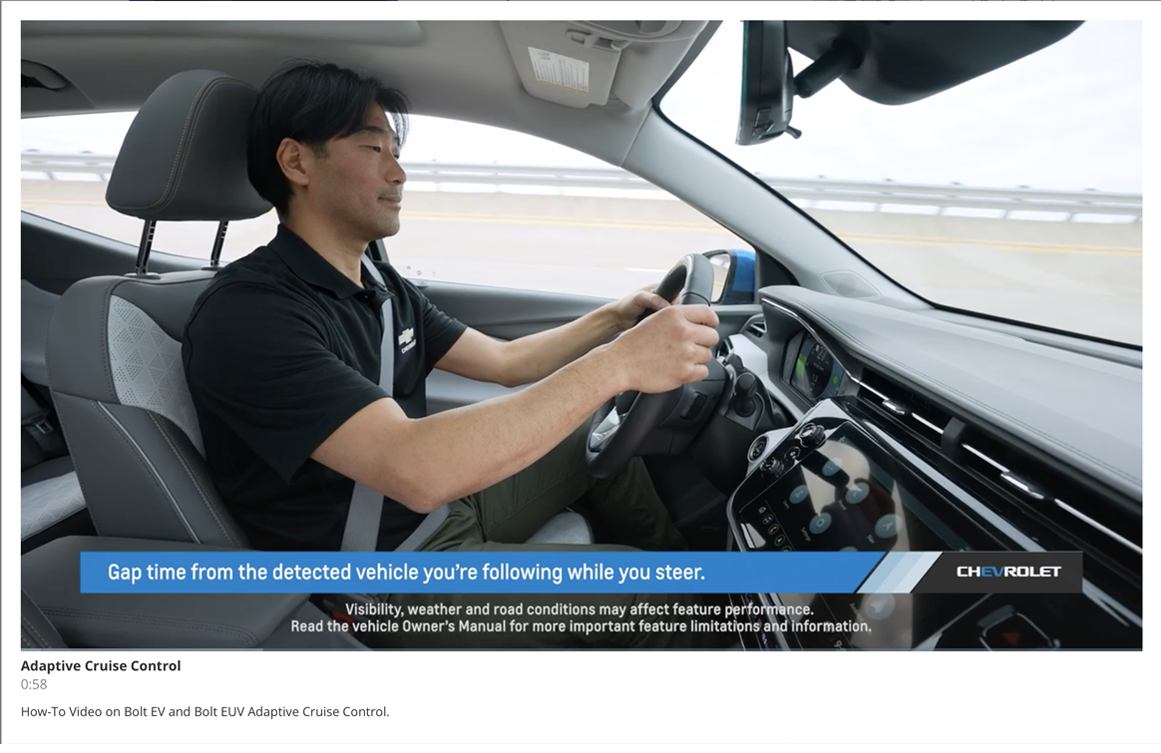
In addition, the Bolt has more than 20 standard safety and driver assistance features, including Rear Cross Traffic Braking, Front Pedestrian and Bicyclist Braking, Enhanced Automatic Emergency Braking, Lane Keep Assist with Lane Departure Warning, Blind Zone Steering Assist, Forward Collision Alert, Side Bicyclist Alert, Intersection Automatic Emergency Braking, HD Rear Vision Camera, Reverse Automatic Braking and Safety Alert Seat.
Note: Safety or driver assistance features are not a substitute for the driver’s responsibility to operate the vehicle in a safe manner. The driver should remain attentive to traffic, surroundings, and road conditions at all times. Visibility, weather, and road conditions may affect feature performance.
Interior Design
The new driver-centric interior is anchored by an 11.3-inch-diagonal center-dash infotainment screen, plus an 11-inch-diagonal Driver Information Center with user-configurable display. (Fig. 9)
The smartly-designed mix of physical and virtual controls ensures that the most frequently-used features – like climate control or audio volume – are immediately accessible.
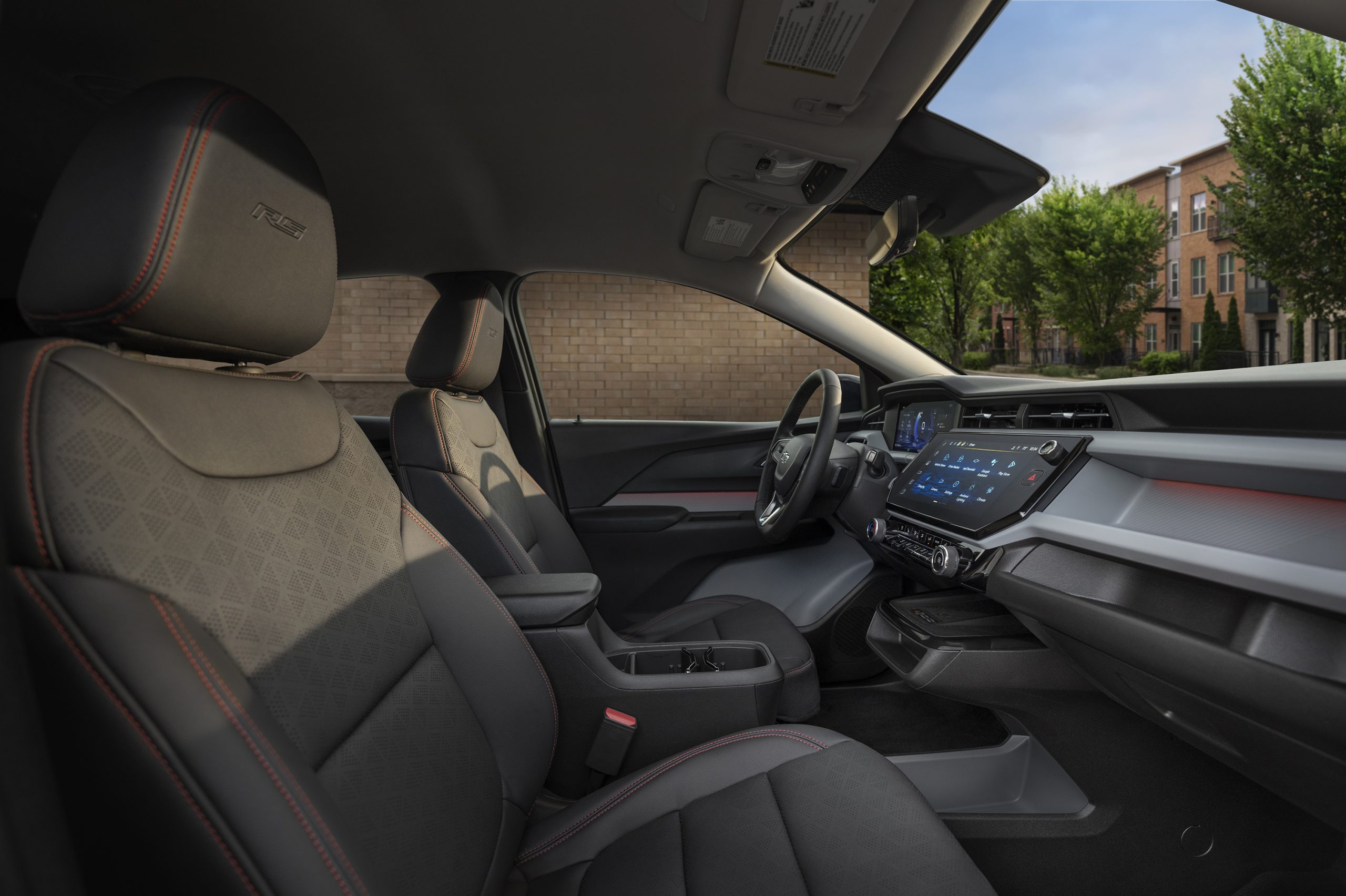
Fig. 9
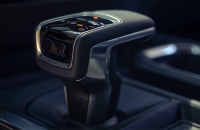
To provide more space between the front seats, the shift controls move to the steering column.
And adding to the spacious feeling in the cabin, the available panoramic sunroof provides natural light for front- and rear-seat passengers.
Hands-Free Start and Service Mode
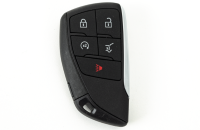
The Bolt is equipped with the Hands-Free Start feature, which automatically starts the vehicle after entering the vehicle with a Remote Keyless Entry transmitter and pressing the brake or closing the driver’s door. The vehicle turns off when shifted to Park and a driver exit is detected. The vehicle also can be turned off by pressing the Off icon on the infotainment screen. (Fig. 10)
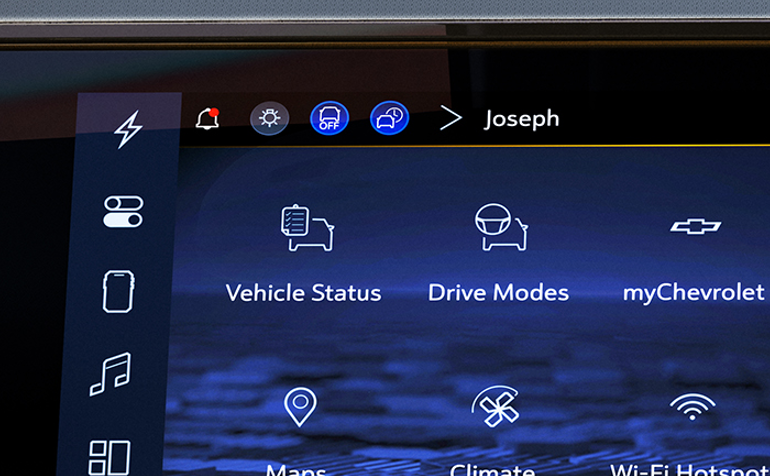
Fig. 10
Service Mode is available for diagnostics and repairs. To enter Run/Service Mode, the vehicle must be off with the driver’s door open and remote transmitter in range (brake pedal not applied). Within 5 seconds, depress and release the accelerator pedal 3 times, keeping the accelerator depressed the third time until the vehicle powers up.
The electric propulsion system is inactive in Service Mode. The automatic power mode time-out will remain disabled while the remote transmitter is out of range and the Vehicle Off Status is achieved. As a result, this could lead to a dead battery if left in Service Mode for an extended period of time.
The remote transmitter must be out of range to remain in Service Mode while performing any procedure that requires brake pedal application. The vehicle also will not shut off after the driver’s door is opened and closed while in Service Mode. If the remote transmitter is within range and the brake pedal is momentarily pressed, the vehicle will exit Service Mode and immediately enter into Propulsion Mode (Vehicle On/Propulsion Active).
For additional information on the new 2026 Bolt, refer to Bulletin #26-NA-019.
– Thanks to Kurtis Hoezee