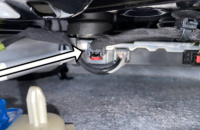
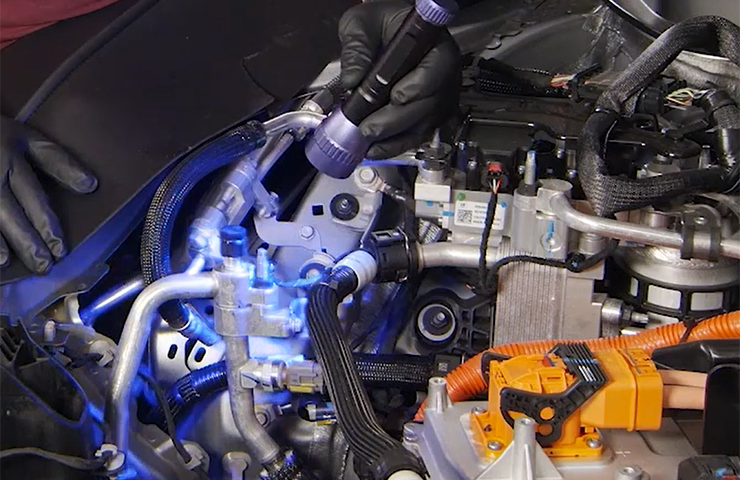
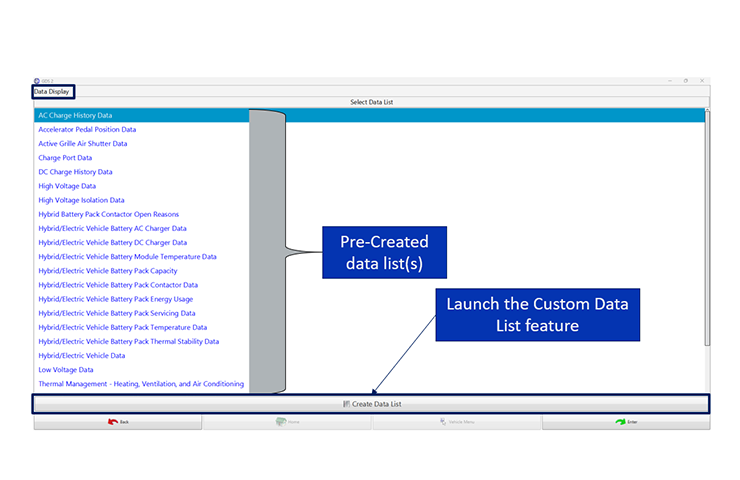
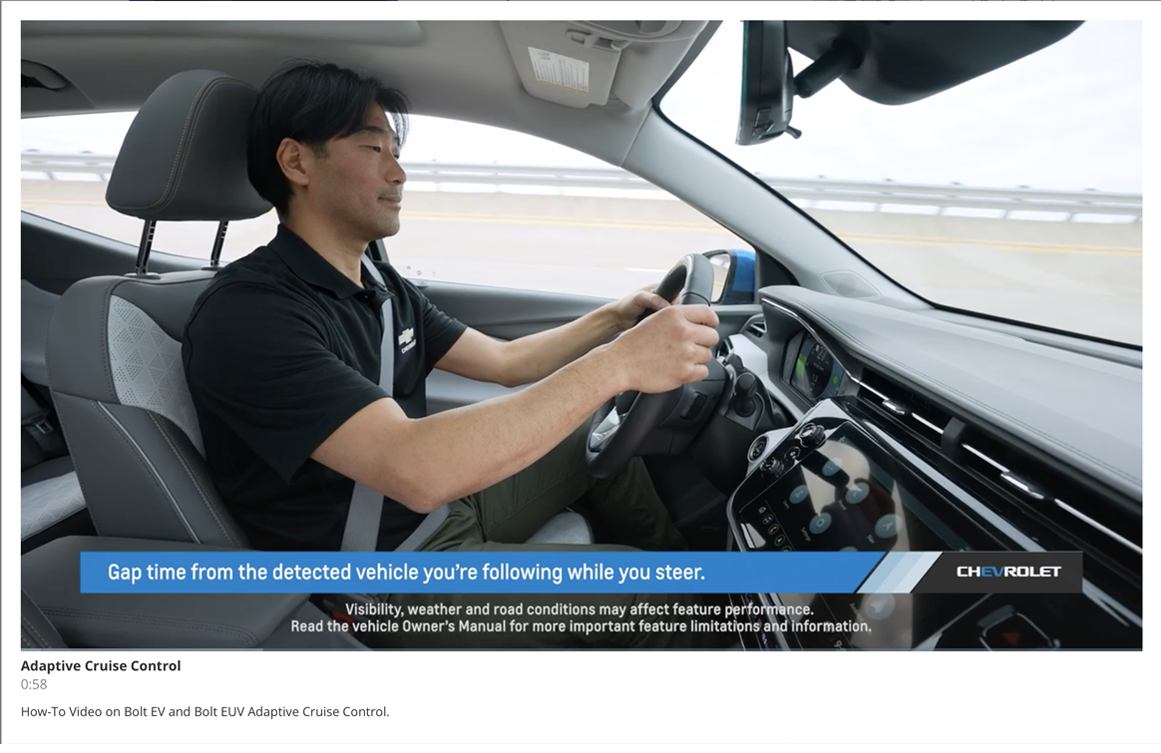
There may be a low or dead battery, no crank due to a dead battery, or an unwanted theft-deterrent alarm on some 2021-2026 Tahoe, Suburban, Yukon and Escalade models. (Fig. 3) These conditions may be due to high resistance in the glass breakage loop, which consists of the rear window defogger grid and each rear quarter glass, that is part of the content theft deterrent system (RPO UTT, UTR).
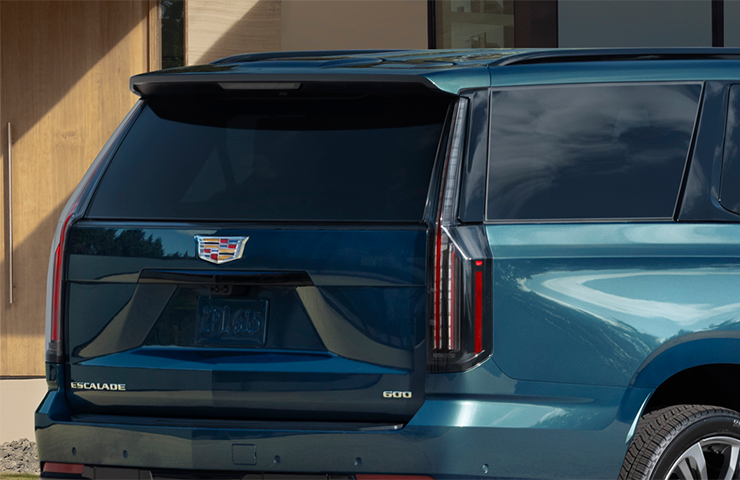
Fig. 3
The glass breakage sensors are supplied a reference voltage of approximately 8 volts. The Body Control Module (BCM) monitors the glass breakage sensor signal circuit. If the rear side glass or back glass is broken, the glass breakage sensor signal circuit will open and the BCM will enter the alarm mode.
The rear window defogger grid and each rear quarter glass are all connected in series. Normally, the complete glass breakage loop should have less than 20 ohms of resistance to ground. High resistance or a break at any place in the series circuit may lead to an unwanted battery draw. (Fig. 4; Glass breakage loop shown by the dotted red line.)

Fig. 4
TIP: In some cases, the battery draw only can be duplicated if the vehicle is completely closed with all doors and hood latches tripped and the vehicle locked.
Glass Breakage Sensor Signal
A low battery or battery disconnect can cause DTC B192A (Glass Breakage Sensor 2 Signal) to set current in the BCM. To clear the DTC, the BCM must run and pass its diagnostic when the theft deterrent system is armed.
To arm the theft deterrent system, exit the vehicle with all the remote key fobs and close all the doors, liftgate and hood. Next, lock the vehicle with the key fob and allow several minutes for the theft deterrent system to arm. The system is not armed if the doors are locked manually. During this time, the BCM will test the glass breakage loop. If the loop is complete, the DTC will go to history and no further repairs are needed.
Testing the Glass Breakage Loop
To test the glass breakage loop, disconnect the battery and the BCM X4 and X7 connectors. Using test probe EL-35616-58 (BK), check for proper terminal tension at the BCM X7, terminal 27. If the terminal tension is good, then use an ohmmeter to check the resistance of the glass breakage loop to the BCM ground. Measure the resistance by connecting one lead of the ohmmeter to the BCM ground at connector X4, terminal 24 or 25, and the other ohmmeter lead to terminal 27 of the BCM X7 connector. (Fig. 5)

Fig. 5
If the resistance to ground is greater than 20 ohms, inspect the glass breakage loop for poor connections, which could occur at any point in the series circuit. The most common areas to check are the connections at either of the rear quarter glass assemblies.
If the resistance to ground is less than 20 ohms, the loop resistance is within specification and there may be an intermittent issue. Inspect and manipulate the glass breakage loop connections and wiring to see if the resistance increases. Repair any points of high resistance.
TIP: In some cases, it has been found that connection issues at the rear quarter glasses were caused by the installation of aftermarket window tint, decals, stickers, etc. These types of failures are not covered under warranty.
For more information, refer to Bulletin #26-NA-038.
– Thanks to Jim Will