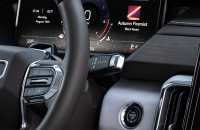
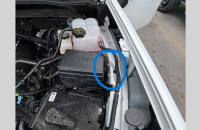
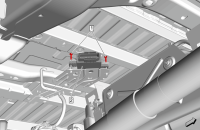
The Tire Pressure Monitoring System (TPMS) allows for live tire data (Fig. 13) to be transmitted from each tire and interpreted by the K9 Body Control Module (BCM). The data is gathered by the B2 Tire Pressure Sensor, which transmits either a 315MHz or 433MHz signal to the K77 Remote Function Actuator.
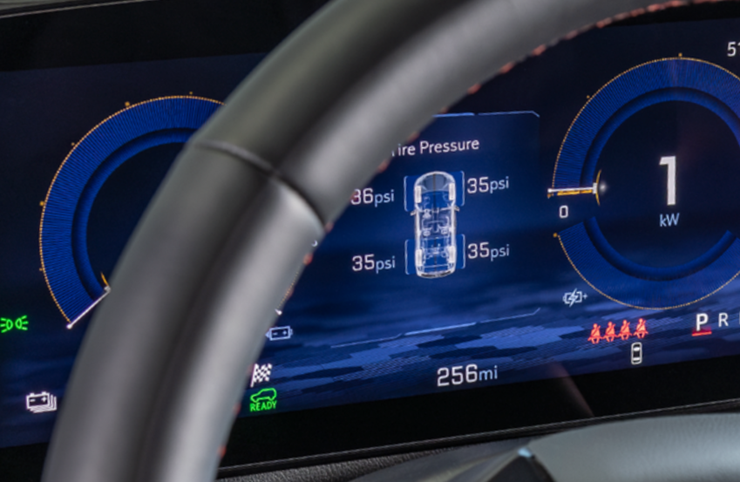
Fig. 13
TPMS is the fourth topic in the TechLink series highlighting several of the related systems handled by the Body Control Module (BCM) on GM models built with the Vehicle Intelligence Platform (VIP). The goal of this series is to help improve understanding of the components operated by the BCM and reduce warranty claims and unnecessary component replacement.
The earlier systems in the series are the Keyless Entry System, Content Theft Deterrent and Door Latch Actuators.
COMPONENT BREAKDOWN
- Body Control Module
- Remote Function Actuator
- Tire Pressure Monitoring Sensors
SYSTEM OVERVIEW
As the remote function actuator receives live tire data from each tire pressure sensor (Fig. 14), it filters the signal and transmits it to the BCM. From there, TPMS data can then be read through the scan tool or displayed on the instrument panel cluster.
Each tire pressure sensor has a unique identifier to ensure that the BCM does not pick up any sensors from surrounding vehicles. In addition, each tire pressure sensor is equipped with a 10-year battery that is non-serviceable. If a tire pressure sensor experiences a low battery, that sensor will need to be replaced.
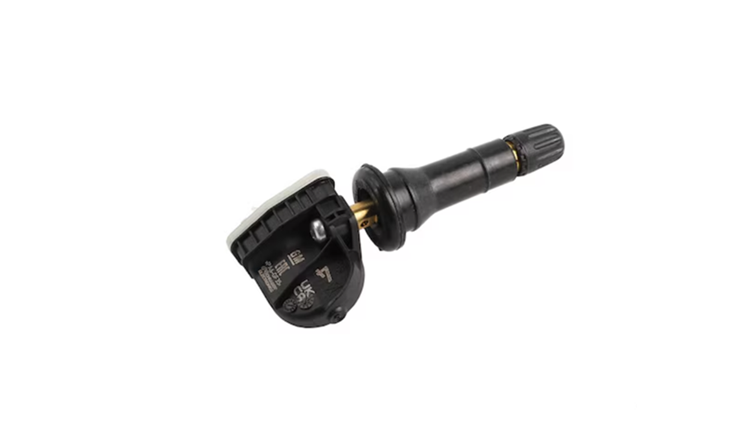
Fig. 14
SYSTEM TOPOGRAPHY
The following graphic illustrates the communication structure of the TPMS components. (Fig. 15)
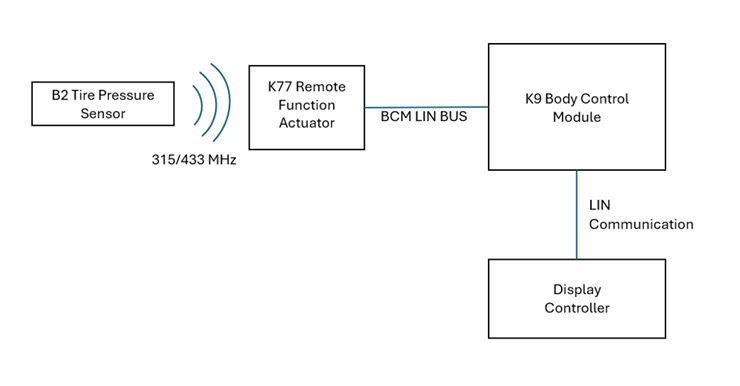
Fig. 15
DIAGNOSTIC TOOLS
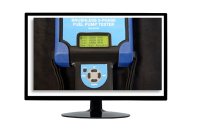
The EL-52545 Tire Pressure Monitor Sensor and RF Diagnostic Tool is the approved tool for TPMS diagnostics. (Fig. 16) The tool not only enables tire pressure sensors to be triggered for relearning but also obtains data directly from each sensor. The data includes tire pressure, sensor ID, part number and battery life. The EL-52545 tool also is approved for programming new sensors after a sensor replacement.
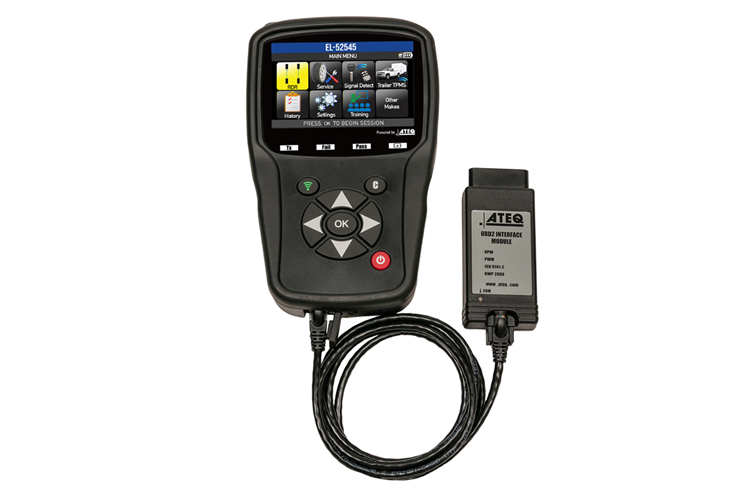
Fig. 16
There also are many parameters within GDS2 that have been designed to aid in the diagnosis and serviceability of the tire pressure sensors. For more information on these parameters, refer to the K9 Body Control Module: Scan Tool Information document within the appropriate Service Information.
DIAGNOSTIC STRATEGY
- Check DTCs
- Only DTC C1171, C1172, C1173, or C1174 may be present and current.
- If any other DTCs are set, follow the referenced GM diagnostic procedure.
- Check Tire Pressure Sensor Timer
- Drive above 25 mph (40 km/h) for more than 5 minutes.
- All four sensor timers should communicate, remain at or below 300 seconds, and reset periodically.
- A saw-tooth pattern returning to zero is normal. A timer reaching 1,020 seconds can set a DTC.
- If One or More Timers Rise Above 300 Seconds
- Rotate the tires and perform a sensor relearn.
- If the problem follows the sensor, replace the affected B2 tire pressure sensor and perform the relearn procedure.
- If the problem remains at the same corner of the vehicle, inspect for RF interference, including aftermarket devices.
- If Timers Remain Stable
- Perform the tire pressure sensor relearn procedure.
- Drive above 25 mph (40 km/h) for more than 2 minutes and verify each sensor’s Mode changes to Drive.
- If all sensors enter Drive mode, the system is OK.
- If a sensor does not enter Drive mode, replace that sensor and perform the sensor relearn.
TIP: Be sure to refer to the appropriate diagnostic procedure in Service Information for exact diagnostic strategies prior to replacing any parts.
COMMON FAULTS
Some common concerns with the TPMS can be induced by the use of aftermarket sensors. It is important to use sensors supplied through GM as the quality of aftermarket sensors cannot be verified.
Other issues can be caused by aftermarket wheels. If the sensor is too far from the vehicle, or the signal cannot be transmitted reliably through the wheel, the performance of the TPMS will deteriorate.
Electromagnetic interference (EMI) also may cause issues with the TPMS. EMI may be introduced by any device that emits RF noise, such as CB radios, aftermarket accessories, or even gas stations. It is important to understand when and where the customer experiences issues with the TPMS in order to effectively diagnose the concern.
Refer to Bulletins #24-NA-166 and #26-NA-070 for more information on RF interference.
For additional details, refer to Suspension > Tire Pressure Monitoring in the appropriate Service Information.
– Thanks to Colin Day